
Headache and Migraine Treatment in Victoria, MN
Content Reviewed by: Dr. Nathan Servey, D.C. on November 2, 2026
Minnesota Chiropractic License Number: 6295 (NPI: 1932647294)
Headache and Migraine Treatment At A Glance
When headaches or migraines keep coming back, they don’t just hurt — they steal days from your life, force you to cancel plans, and leave you reaching for medication that never quite gets to the bottom of it. Many people cycle through painkillers for years without anyone asking why the headaches keep happening.
At Power of Life Chiropractic and Holistic Health, we look at that question from two angles. On the structural side, we assess and treat the neck restriction, forward head posture, and upper-back tension that can refer pain into your head. On the nutritional side, Dr. Johnson’s Nutrition Response Testing can uncover the hormonal imbalances, food sensitivities, and digestive issues that are known to drive migraines.
Many patients who’d been managing headaches symptomatically for years find that addressing the real drivers — through chiropractic care, nutritional support, or both — finally brings a meaningful drop in how often and how hard the headaches hit.
What Are Headaches and Migraines?
Headaches are a broad category of head pain that range from mild tension discomfort to severe and disabling neurological events. The three most clinically significant types for patients seeking chiropractic care are tension-type headaches, cervicogenic headaches, and migraines.
Tension-type headaches produce a dull, pressure-like sensation that typically feels like a band across the forehead or a weight at the back of the head. They are the most common type of headache and frequently have a cervical and postural component that makes them responsive to chiropractic care.
Cervicogenic headaches originate in the cervical spine, specifically from restricted or dysfunctional joints in the upper cervical region, and refer pain upward into the occiput, temple, or behind the eye. They are commonly mistaken for tension headaches or migraines and respond specifically to restoration of cervical joint movement.
Migraines are neurological events marked by intense, usually one-sided head pain that is often accompanied by photophobia, phonophobia, nausea, or visual disturbances called aura. They have both structural and systemic contributors and are among the most complex headache presentations to manage effectively.


Common Symptoms of Headaches and Migraines
Headache and migraine presentations vary significantly depending on the type and the contributing factors driving them. A thorough history of symptom characteristics is a key part of determining what is causing the problem.
Tension-type headaches typically present as a bilateral, pressure-like sensation across the forehead or occiput that builds through the day, particularly with sustained desk work and screen use. They are often worse in the afternoon and improve with rest, heat, or over-the-counter analgesics, though the relief is temporary and the headaches return predictably.
Cervicogenic headaches are typically unilateral, begin at the base of the skull, and refer forward into the temple or behind the eye on the same side. They are often accompanied by neck stiffness and tenderness, worsen with specific neck movements or sustained cervical postures, and do not respond consistently to medications that work for true migraines.
Migraines are episodic and typically more severe. They can be preceded by visual or sensory aura, build to intense throbbing head pain that is worsened by light, sound, and movement, and produce nausea or vomiting. Migraine frequency varies widely from occasional episodes to near-daily attacks. Hormonal fluctuations, food triggers, sleep disruption, and stress are common precipitating factors.
What Causes Headaches and Migraines?
Headaches and migraines have multiple contributing causes that frequently interact, making single-cause explanations and single-approach treatments insufficient for most patients with recurring patterns.
Cervical joint restriction and forward head posture are structural contributors to both tension-type and cervicogenic headaches. The upper cervical joints refer pain patterns into the head through well-documented neurological pathways. When these joints are restricted, they produce sustained low-level nerve irritation that accumulates into head pain. Desk work, screen use, and poor sleeping positions are the most common drivers of this pattern.
Hormonal fluctuations are among the most common triggers for migraines, particularly in women. Estrogen changes during the menstrual cycle, perimenopause, and around pregnancy are closely associated with migraine onset and frequency. The nutritional status of the hormonal system, including adrenal function and specific nutritional deficiencies, can amplify hormonal migraine triggers.
Food sensitivities and digestive dysfunction are frequently identified as migraine contributors through functional medicine assessment. Common dietary triggers include aged cheeses, fermented foods, alcohol, caffeine withdrawal, and specific additives, but individual sensitivity patterns vary considerably. Identifying and eliminating personal triggers through nutritional assessment can substantially reduce migraine frequency.
Chronic dehydration, sleep disruption, and blood sugar instability are lifestyle factors that lower the threshold for migraine onset in susceptible individuals. These modifiable factors are assessed and addressed as part of a functional medicine approach.
Conditions That Can Mimic Headaches and Migraines
Several conditions produce head pain that resembles common headache types but has different underlying causes and requires different management.
Temporomandibular joint dysfunction
Temporomandibular joint dysfunction can produce temple pain, jaw pain, and headaches that closely resemble tension-type or cervicogenic headaches. TMJ-related head pain is often associated with jaw clicking, difficulty chewing, and teeth clenching or grinding. Assessment of jaw mechanics alongside the cervical spine is important in patients with chronic temple or jaw-adjacent head pain.
Sinusitis
Sinusitis produces facial pressure and forehead pain that is often described as a headache. True sinus-related head pain is typically worse with bending forward, associated with nasal congestion or discharge, and may be seasonal or associated with upper respiratory illness. Patients who attribute their headaches to sinuses should have a clinical evaluation to confirm or rule out a cervical or nutritional component.
Secondary headaches
Secondary headaches from systemic causes including hypertension, medication overuse, and intracranial conditions can produce head pain that mimics primary headache disorders. Red flag symptoms that warrant immediate medical evaluation include sudden onset severe headache, headache associated with neurological deficits, and new-onset headache in older patients or those with a history of cancer.
When to Seek Urgent Care for Headaches
Most recurring headaches are primary disorders that respond to conservative care. However, seek urgent medical attention for a sudden, severe headache that is the worst of your life, headache following head trauma, headache accompanied by fever, stiff neck, confusion, seizures, vision changes, or neurological symptoms, or headache that is progressively worsening over days or weeks. These presentations require immediate evaluation to rule out serious underlying causes.
What Our Patients Are Saying
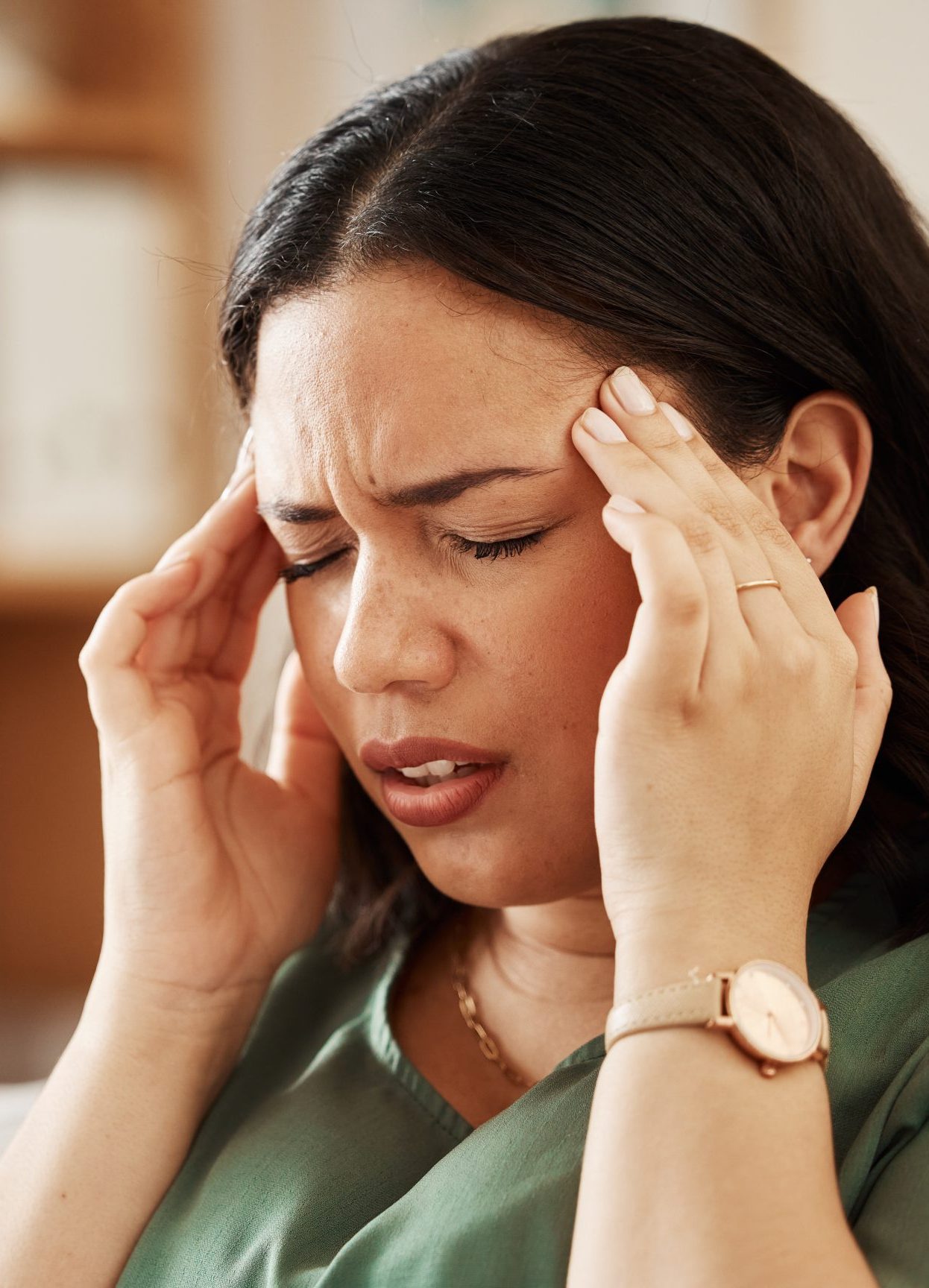
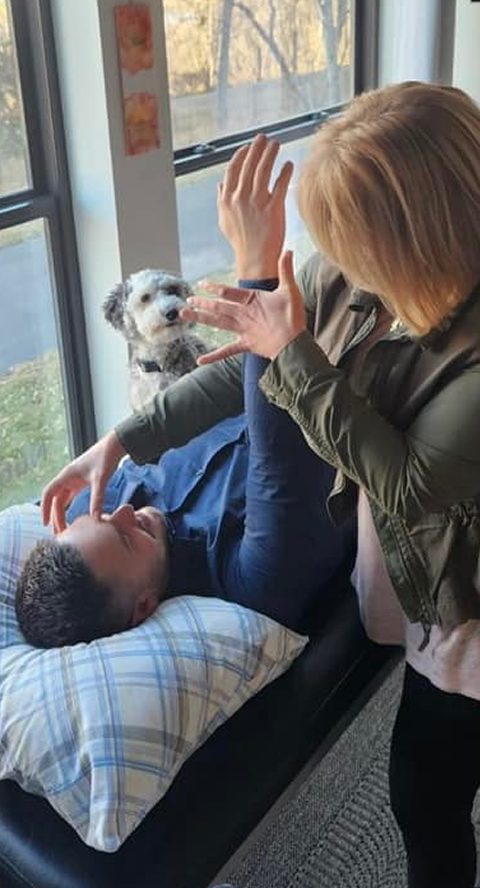
Patients from across Victoria who had been managing recurring headaches with medication for years have found meaningful reduction in frequency and severity through care at Power of Life Chiropractic and Holistic Health.


How We Diagnose Headaches and Migraines
Headache evaluation at Power of Life Chiropractic and Holistic Health is comprehensive and takes both structural and systemic contributors into account from the beginning of the assessment.
On the structural side, we take a detailed headache history that covers frequency, duration, onset patterns, associated symptoms, and provoking and relieving factors. Insight thermography assesses nerve activity along the cervical and upper thoracic spine, and muscle EMG evaluates paraspinal muscle tension that may be contributing to the cervical source. Orthopedic evaluation of the cervical joints identifies the specific restricted segments producing head pain referral.
When nutritional contributors are suspected, Dr. Johnson’s Nutrition Response Testing evaluates the systemic factors that may be driving migraine frequency, including hormone balance, digestive function, adrenal status, and food sensitivity patterns. This dual assessment allows us to build a care plan that addresses the actual drivers of the patient’s head pain rather than just the symptoms.
How Power of Life Treats Headaches and Migraines
Headache treatment at Power of Life Chiropractic and Holistic Health addresses both the structural and nutritional components of recurring head pain. The care plan is built specifically around what the evaluation finds.
Specific adjustments to restricted cervical and upper thoracic segments restore joint motion and reduce the nerve irritation that refers pain into the head. This approach is particularly effective for cervicogenic headaches and tension-type headaches with a clear cervical driver.
Forward head posture is a primary structural driver of cervicogenic and tension-type headaches. We provide specific postural guidance based on the patient’s workstation, sleep position, and daily habits to reduce the mechanical loading that perpetuates the cervical restriction.
For patients with migraine patterns that have a hormonal, nutritional, or digestive component, Dr. Johnson uses NRT to identify the systemic contributors and build a whole-food supplement protocol designed to reduce the frequency of migraine episodes over time.

Why Early Treatment for Headaches Matters
Recurring headaches that are managed symptomatically without addressing the underlying cause tend to become more frequent and more treatment-resistant over time. Analgesic overuse, which is common in chronic headache sufferers, can itself become a driver of rebound headaches that occur with increasing regularity as medication wears off.
Cervicogenic and tension-type headaches treated at the structural source through chiropractic care interrupt this cycle more effectively than continued symptomatic management. Addressing cervical restriction before it compounds into chronic degeneration also reduces the long-term risk of disc-related and nerve-related complications.
For migraine patients, early identification of nutritional and hormonal triggers allows the frequency of episodes to be reduced before the nervous system becomes sensitized. Chronic migraines with frequent attacks represent a more neurologically complex pattern that requires more sustained and multifaceted management.
Serving Victoria, Waconia, Chaska, and Nearby Communities
Power of Life Chiropractic and Holistic Health is located at 1700 Stieger Lake Ln, Victoria, MN 55386. We provide chiropractic and functional medicine evaluation for headache and migraine patients from Victoria, Waconia, Chaska, Chanhassen, Minnetrista, and Carver.
Meet The Team

Dr. Kandace Johnson, D.C.
Owner, Chiropractor & NRT PractitionerDr. Kandace Johnson is a Partner and the founder of Power of Life Chiropractic and Holistic Health. She realized, through her own health challenge (IBS & Migraines) that finding the CAUSE to symptoms is the most effective approach to healing.
Learn More
Dr. Nathan Servey, D.C
Owner & ChiropractorDr. Nathan Servey is an owner and partner at Power of Life and a graduate of Northwestern Health Sciences University in Bloomington, where he earned his Doctor of Chiropractic degree.
Learn MoreSources and Clinical References
The references below distinguish migraine, tension-type headache, and cervicogenic headache and provide cautious evidence for cervical manual care.
Source: Cleveland Clinic: Cervicogenic Headache — Supports: headache referred from cervical structures and the importance of distinguishing it from primary headache disorders.
Source: Mayo Clinic: Migraine — Supports: migraine symptoms, triggers, neurological features, and urgent warning signs.
Source: Mayo Clinic: Tension Headache — Supports: tension-type headache symptoms and neck or shoulder muscle tenderness.
Source: NCCIH: Spinal Manipulation: What You Need To Know — Supports: preliminary or limited evidence for cervicogenic headache and migraine, with appropriate safety context.
Frequently Asked Questions About Headaches, Migraines, and Chiropractic Care
Book Headache and Migraine Treatment in Victoria, MN
Recurring headaches that respond to medication but always return deserve a proper investigation, not a permanent prescription. A complimentary consultation at Power of Life Chiropractic and Holistic Health gives you an honest assessment of what is driving your head pain and a specific recommendation tailored to your presentation. Call (952) 443-9000 or book online.