
Scoliosis Care In Victoria, MN
Content Reviewed by: Dr. Nathan Servey, D.C. on November 2, 2026
Minnesota Chiropractic License Number: 6295 (NPI: 1932647294)
Scoliosis Treatment At A Glance
Scoliosis can be painless, or it can contribute to stiffness, uneven loading, and back discomfort that changes how you move. At Power of Life Chiropractic and Holistic Health, our role is to assess the musculoskeletal symptoms around the curve, support comfortable movement when chiropractic care is appropriate, and refer when medical monitoring is needed.
What Is Scoliosis?
Scoliosis is a side-to-side curvature of the spine that commonly includes spinal rotation. It is often identified during childhood or adolescence, although adults may also live with a longstanding curve or develop degenerative scoliosis later in life.
The size and location of the curve, age, growth status, symptoms, and underlying cause all influence management. Some curves remain stable and cause few symptoms, while others require ongoing medical monitoring because they may progress during growth or contribute to increasing mechanical stress in adulthood.
Common Causes And Symptoms Of Scoliosis
Most adolescent scoliosis is idiopathic, which means there is no single identified cause. Other forms may be congenital, related to neuromuscular conditions, or develop in adulthood as the spine and surrounding joints change with age.
Visible signs can include uneven shoulders, hips, waist, or ribs, along with a trunk that appears shifted or rotated. Some people have little or no pain. Others experience back stiffness, muscle fatigue, aching after prolonged activity, or discomfort related to uneven loading and restricted movement around the curve.


Our Approach To Scoliosis Care In Victoria
We evaluate movement, pain, posture, and related joint restriction to determine whether conservative musculoskeletal care may help with comfort and function.
When appropriate, Chiropractic Care may support spinal mobility, while Pediatric Care provides an age-appropriate pathway for children and adolescents. We refer for medical or orthopedic evaluation when growth, curve progression, neurological symptoms, or other findings require it.
What A Scoliosis Care Plan May Look Like
Scoliosis care is individualized because the curve itself, age, growth status, and symptoms can be very different from one patient to another. A conservative plan may include:
Gentle, targeted adjustments to improve motion in restricted spinal or pelvic joints when clinically appropriate.
Age-appropriate assessment and low-force techniques for children or adolescents who are appropriate for chiropractic care.
Support for spinal stiffness or muscle guarding when the doctor determines traction is appropriate for the presentation.
Practical recommendations aimed at comfort, movement, and reducing unnecessary mechanical stress in daily life.
Referral or co-management when growth, curve progression, significant pain, neurological findings, or breathing concerns require medical oversight.

What Victoria Patients Say About Scoliosis And Spinal Care
Current patient reviews can show how families and adults describe the communication, comfort, and support they receive during care at our clinic.


Related Services For Scoliosis

Functional Medicine
Nutrition Response Testing and personalized nutritional protocols to find the root cause of chronic health concerns.
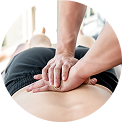
Chiropractic Care
Spinal and extremity adjustments that restore joint motion and support nervous system function for pain relief and wellness.

Wellness Care
Maintenance and preventative care plans that keep the spine and nervous system functioning well over time.
Meet The Team
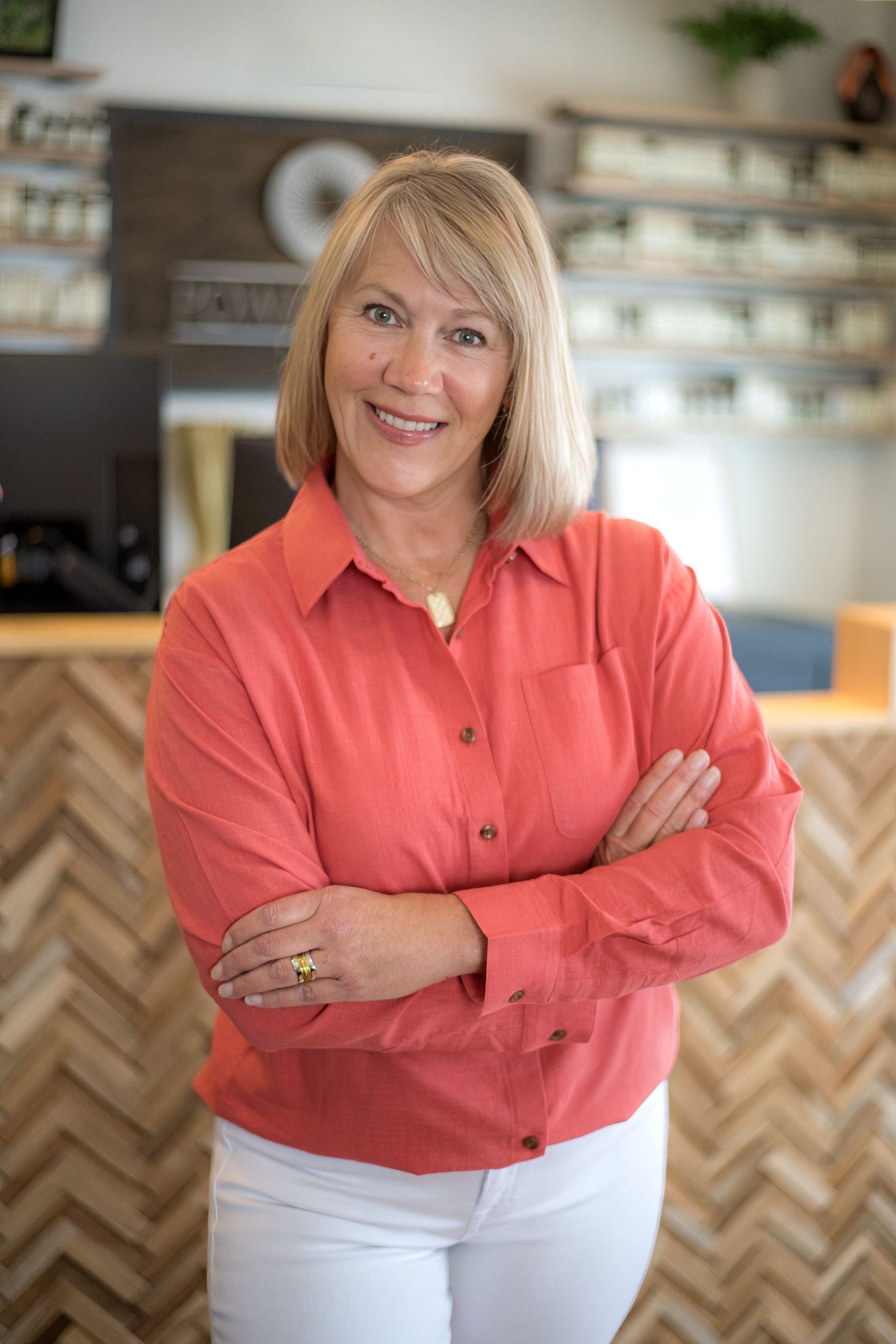
Dr. Kandace Johnson, D.C.
Owner, Chiropractor & NRT PractitionerDr. Kandace Johnson is a Partner and the founder of Power of Life Chiropractic and Holistic Health. She realized, through her own health challenge (IBS & Migraines) that finding the CAUSE to symptoms is the most effective approach to healing.
Learn More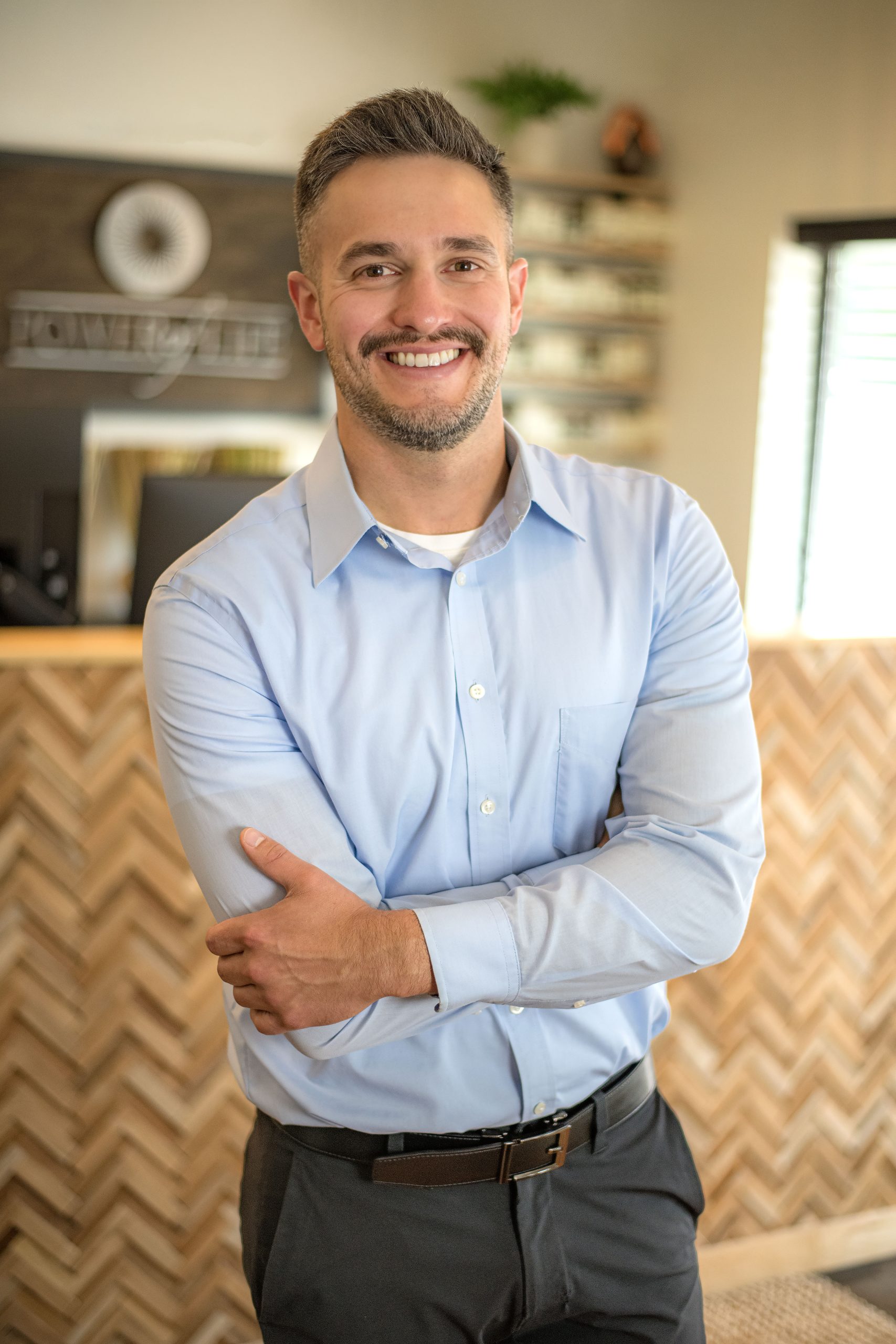
Dr. Nathan Servey, D.C
Owner & ChiropractorDr. Nathan Servey is an owner and partner at Power of Life and a graduate of Northwestern Health Sciences University in Bloomington, where he earned his Doctor of Chiropractic degree.
Learn MoreSources And Clinical References
NIAMS: Scoliosis Symptoms & Causes. Supports: scoliosis definition, signs, common causes, observation, treatment planning, and referral-sensitive language.
AAOS OrthoInfo: Idiopathic Scoliosis In Children And Adolescents. Supports: adolescent idiopathic scoliosis definitions, spinal rotation, curve patterns, causes, and treatment-pathway context.
Scoliosis Research Society: Observation. Supports: scoliosis monitoring, observation, x-ray follow-up, and when bracing or further management may be considered.
PubMed: 2016 SOSORT Guidelines: Orthopaedic And Rehabilitation Treatment Of Idiopathic Scoliosis During Growth. Supports: conservative scoliosis management context, exercise/bracing framework, assessment needs, and limitations around non-surgical care.
Minnesota Revisor Of Statutes: Section 148.01 Chiropractic. Supports: Minnesota chiropractic scope context for examination, diagnostic services, therapeutic services, referral, and appropriate treatment planning.
Frequently Asked Questions About Scoliosis
Serving Victoria, Waconia, Chaska, And Nearby Communities
Power of Life Chiropractic and Holistic Health is located at 1700 Stieger Lake Ln, Victoria, MN 55386. We serve patients from Victoria, Waconia, Chaska, Chanhassen, Minnetrista, Carver, and nearby southwest metro communities.